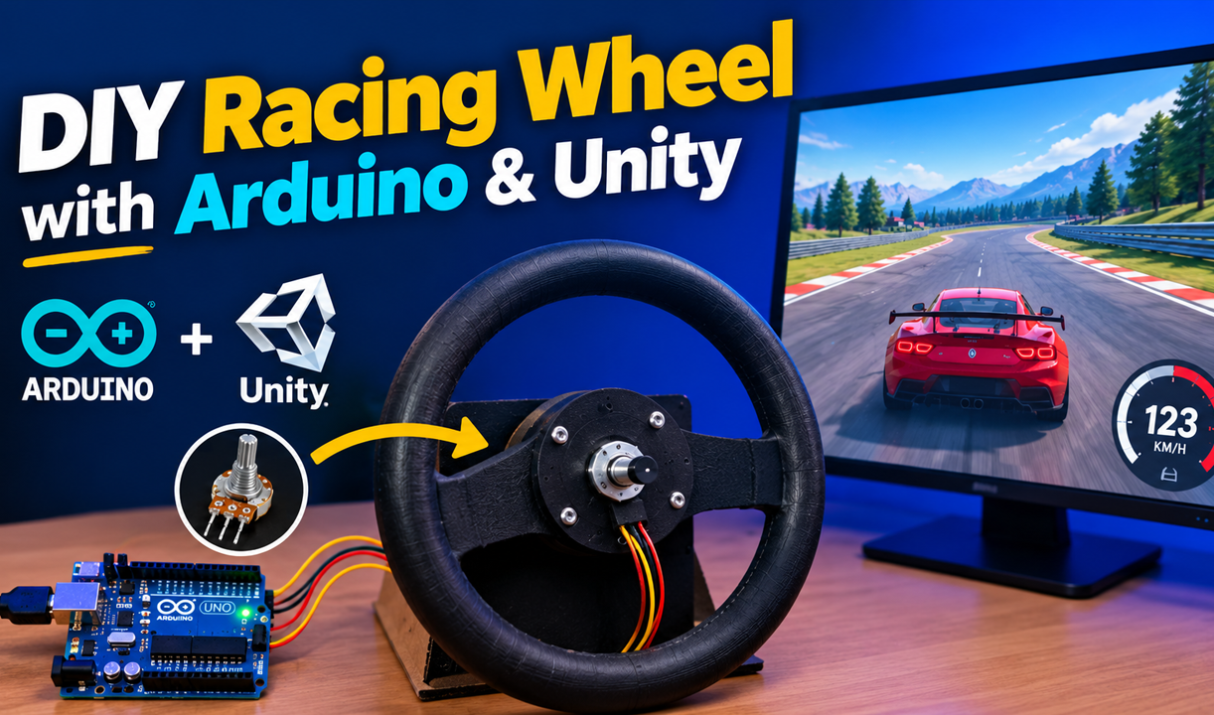

Have you ever wanted to control a Unity racing game using a real physical steering wheel? For many enthusiasts, standard keyboard controls lack the tactile precision and immersion that a physical wheel provides. So, in this project, we are going to build a simple Arduino steering wheel controller using a potentiometer and connect it to
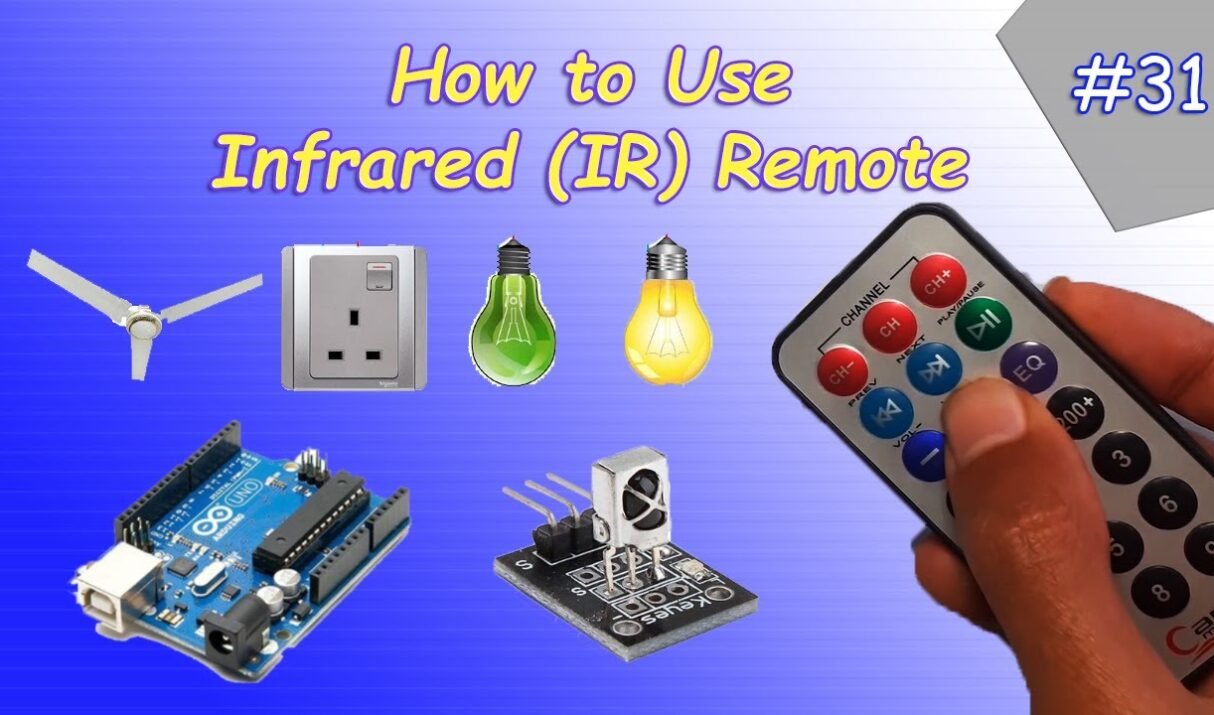
Introduction Infrared (IR) remote controls are everywhere—TV remotes, air conditioners, stereo systems. But did you know you can easily use them with your Arduino projects? With just a simple IR receiver module and a free library, you can turn an old TV remote into a wireless controller for robots, lights, or any other project you
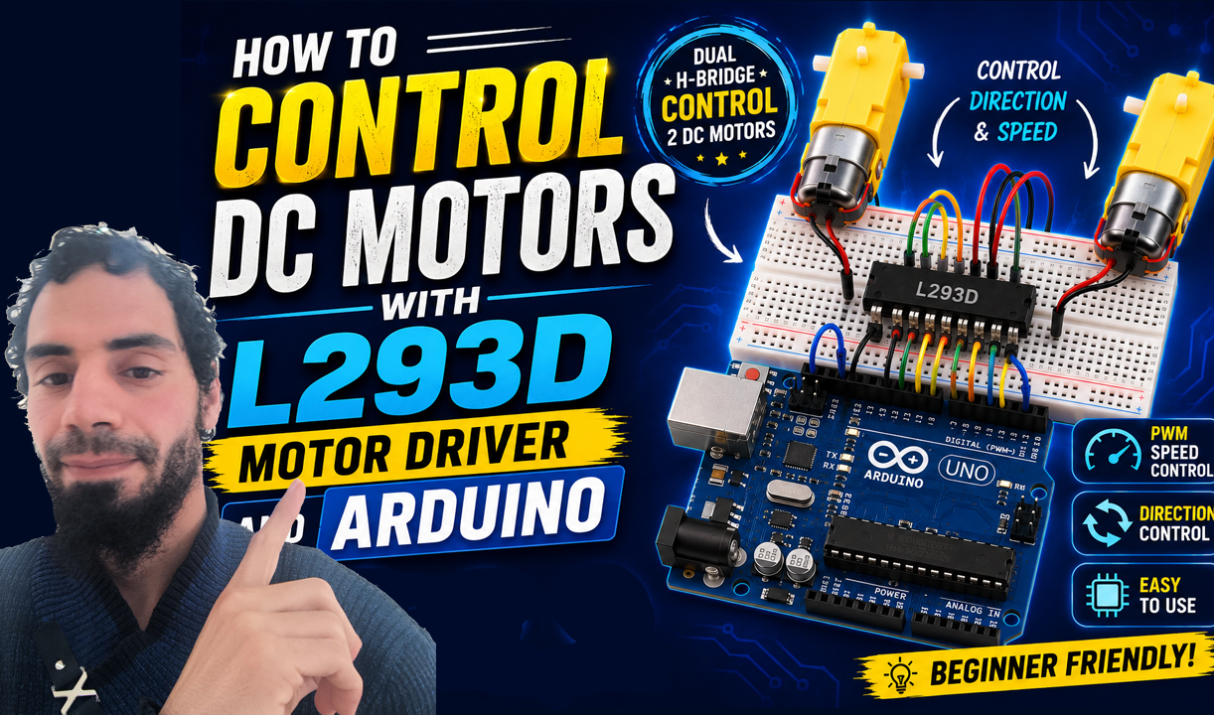
The L293D motor driver IC is one of the most popular choices for controlling DC motors with Arduino. If you’ve used the L298N before, think of the L293D as its more compact, budget-friendly cousin—perfect for smaller projects where space and cost matter. In this guide, I’ll show you everything you need to know: what the
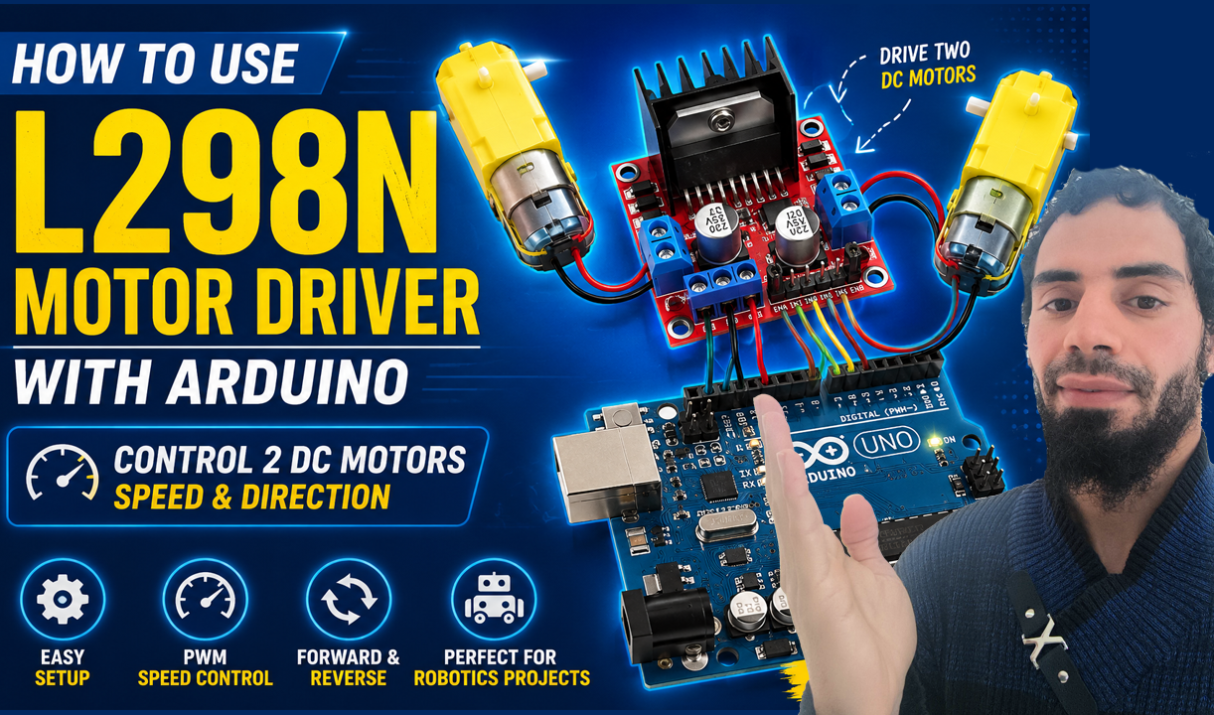
The L298N Motor Driver Module is one of the most popular motor drivers used in Arduino projects. It allows an Arduino to control the speed and direction of two DC motors independently, making it ideal for robotics, RC vehicles, conveyor systems, automated doors, and many other DIY electronics projects. So, we will learn everything you
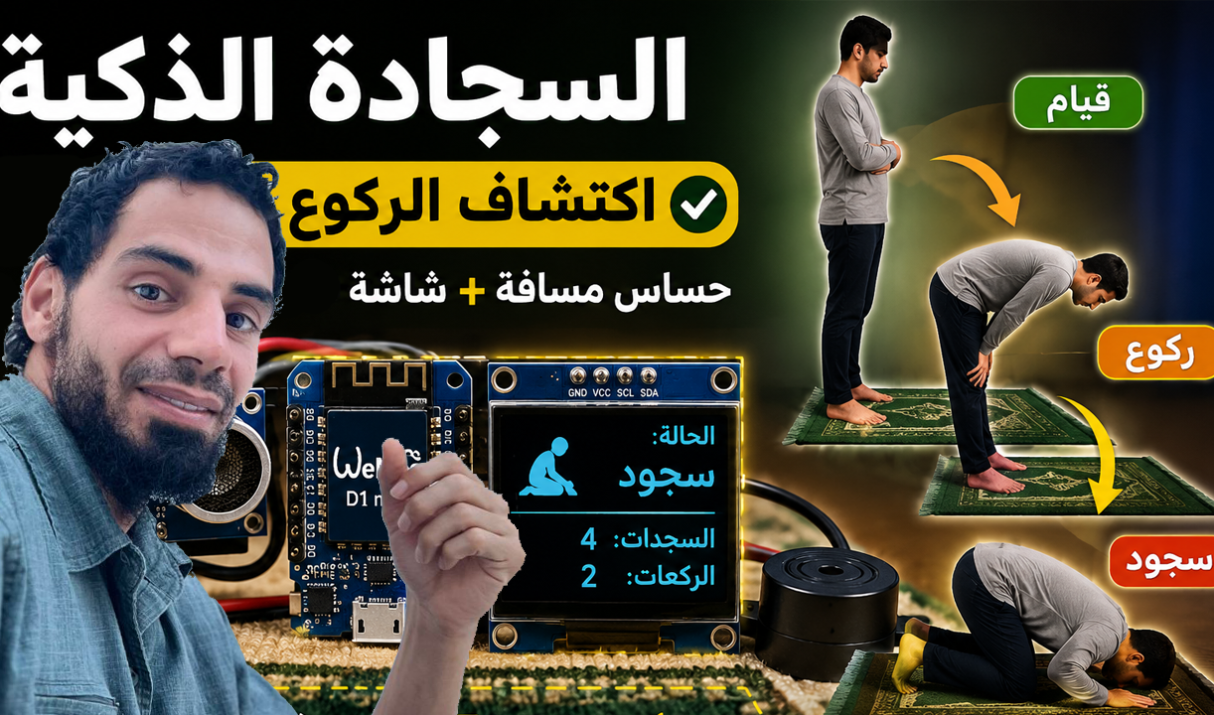
Keeping track of your Rakats, Rukoo, and Sujood during Salah can be a great solution, especially during long prayers. A microcontroller like Arduino with some sensors can be used to create an innovative Smart Prayer Mat capable of detecting prayer movements such as Rukoo and Sujood. In this Guide, we will build a Smart Prayer
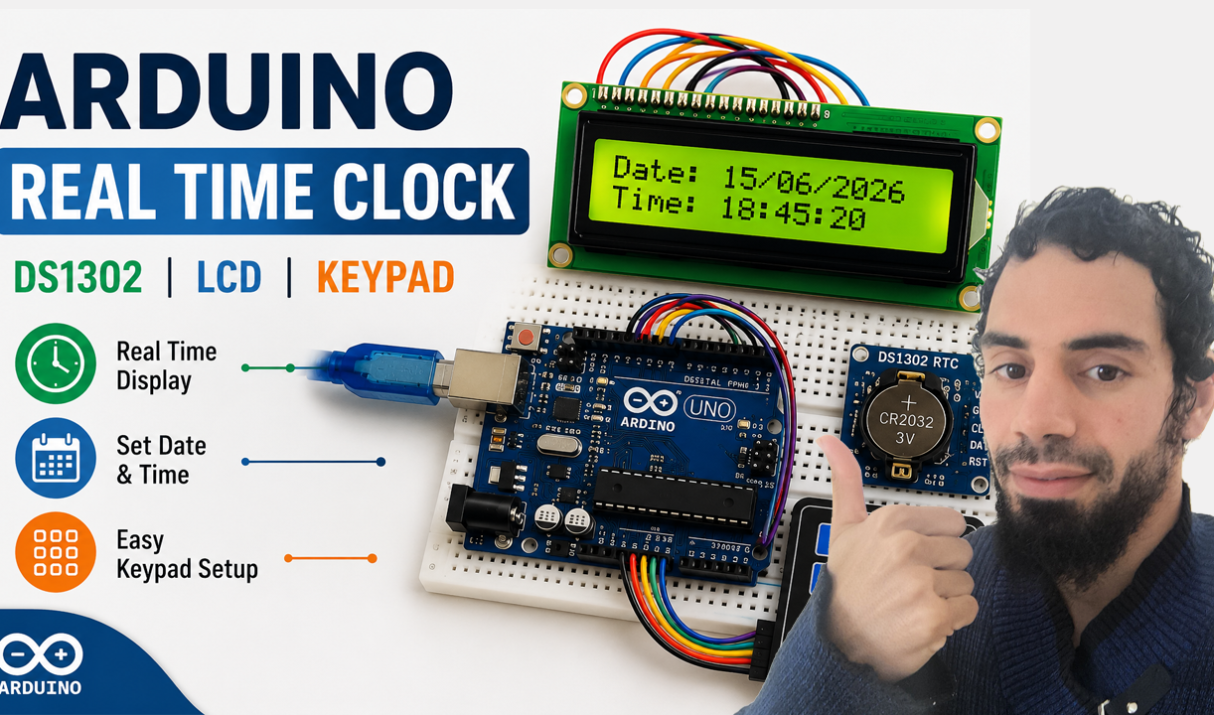
Keeping accurate time is an essential feature in many electronics projects. Whether you’re building a home automation system, attendance tracker, alarm clock, or scheduling devices. A Real-Time Clock (RTC) module allows your project to maintain the correct date and time even when power is removed. In this tutorial, we will build a complete Arduino Real-Time